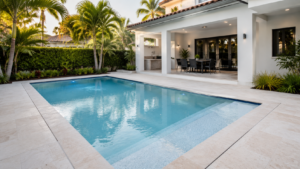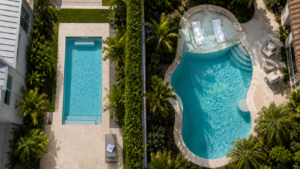
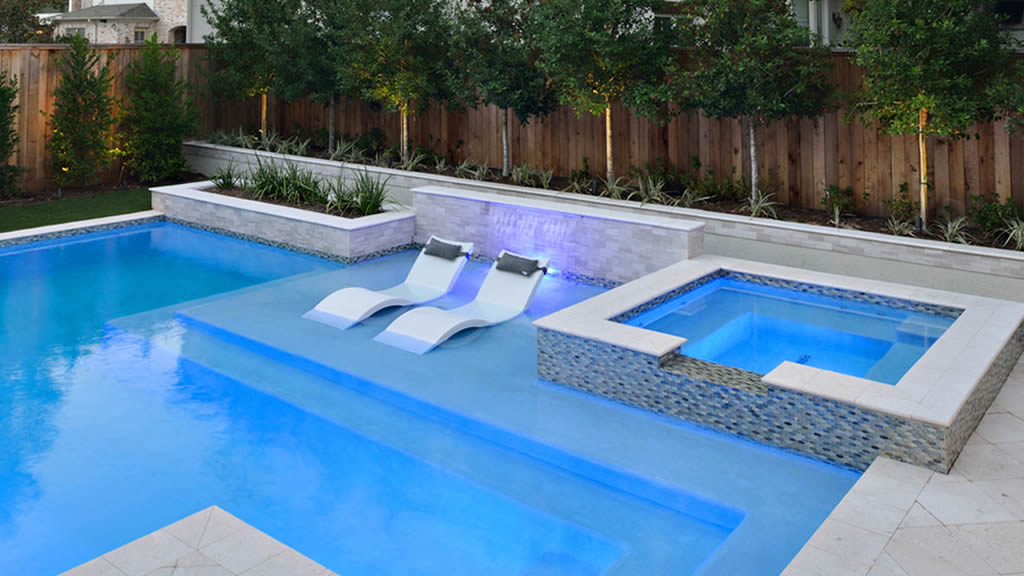
Swimming pool decking options shape much more than the look of a backyard. They affect how the space feels under bare feet, how safe it stays when wet, and how well it performs through years of sun, water, and daily use. A deck can look impressive in photos and still become too hot, too slick, or too demanding to maintain once real life starts happening around the pool.
That is why homeowners planning upscale outdoor spaces now pay closer attention to the relationship between surface beauty and everyday function. The best materials are not chosen only for color or texture. They are chosen for how they handle heat, how they behave around splashing water, and how comfortably they support people moving between tanning ledges, steps, lounge areas, and open deck space.
At Elite Pool Construction, that balance matters in both renovation work and new pool construction projects. A luxury pool area should feel polished, but it also needs to support safe movement, relaxed barefoot comfort, and long-term value. When homeowners compare travertine, porcelain, and composite decking, the smartest decision usually comes from looking at performance first and style right alongside it.
Why swimming pool decking options matter in luxury outdoor design
The pool deck is one of the most used surfaces in the entire backyard. People walk on it barefoot, sit near it with wet feet, and move across it quickly when children are playing or guests are gathered outside. Because of that, material selection deserves the same level of planning as the pool shell, the waterline tile, or the lighting design.
A strong deck material needs to solve multiple problems at once. It should stay comfortable in direct sun, provide enough grip when wet, and hold its appearance without constant frustration. This becomes even more important in South Florida, where heat and humidity can expose weaknesses in materials very quickly. Some surfaces absorb too much heat. Others become slippery when they are polished or sealed the wrong way. Some look beautiful at first but start to feel dated or worn sooner than expected.
This is also where a well-planned backyard gains a more cohesive look. The deck influences how premium the whole project feels. It can support modern lines, soften a tropical setting, or help connect the pool with outdoor kitchens, lounge zones, and even turf installation areas nearby. When the deck material is chosen carefully, the result feels intentional rather than pieced together.
Travertine remains one of the most trusted options
Travertine continues to be one of the most popular choices for homeowners who want a refined pool environment without sacrificing comfort. Its appeal starts with appearance. The stone has a timeless character that fits both classic and contemporary homes, and its soft variation in tone often creates a more elegant result than surfaces that feel too flat or manufactured.
Its biggest advantage around pools is comfort underfoot. Travertine is well known for staying cooler than many other hardscape materials, which makes a real difference during hot afternoons. That cooler feel adds genuine usability to the space. A deck that remains tolerable in direct sun encourages more natural movement around the pool and reduces the need to rush from one shaded area to another.
Travertine also supports safety when the right finish is selected. Honed or textured finishes help create better traction than glossy surfaces, which is critical near steps, tanning ledges, and water entry points. It does require some care over time, and that is worth noting honestly. Natural stone may need sealing and occasional attention to preserve its appearance. Still, for homeowners who want a luxurious, established material with strong thermal performance, travertine remains one of the most dependable options. It also works beautifully in projects that may later include pool resurfacing, since the material pairs well with many updated interior finishes and coping styles.
Porcelain and composite surfaces bring a more modern approach
Porcelain pavers have gained serious momentum in high-end backyard design because they offer a sharp, clean look with impressive durability. For homeowners who prefer a more contemporary style, porcelain often creates the crisp visual finish they want without the maintenance concerns that can come with some natural materials. Many outdoor porcelain products are manufactured with textured surfaces that improve slip resistance, which makes them attractive for wet environments.
Another advantage is consistency. Porcelain offers a more controlled appearance from piece to piece, which helps when the goal is a sleek, architectural layout. It can also imitate the look of stone while keeping the design more uniform. In projects where the visual language leans modern, porcelain often feels more aligned with minimalist architecture, linear water features, and refined deck geometry.
Composite decking speaks to a different kind of luxury. It brings warmth and a more residential, lounge-friendly aesthetic to the backyard. Homeowners who like the character of wood but do not want the long-term issues of splintering, staining, and frequent refinishing often see composite as the better fit. Around pools, that can be especially useful in raised deck areas, outdoor living zones, and transitional spaces where the deck blends into seating areas or covered patios.
Modern composite products also offer better traction and lower maintenance than traditional wood decking, though color choice matters. Darker boards can hold more heat, so performance should always be evaluated along with tone and placement. In many pool remodeling projects, composite works best as part of a mixed-material design rather than as the only surface across the entire pool perimeter.
How to compare swimming pool decking options for heat, grip, and upkeep
The smartest comparison starts with three practical questions. How hot will the surface feel in direct sun? How secure will it feel when wet? And how much maintenance will the homeowner realistically want to handle over time? Those questions often narrow the field faster than aesthetics alone.
Travertine usually stands out for thermal comfort and natural elegance. Porcelain often stands out for durability, low maintenance, and a clean visual finish. Composite usually stands out for warmth of appearance and reduced upkeep compared with wood. None of these materials is automatically right for every project. What matters is how each one performs in the exact context of the backyard.
This is where design planning becomes essential. A material that works well around a small geometric pool may not be the best fit for a broad entertaining area with full sun exposure. The color of the surface matters. The texture matters. The layout matters. Even the way the deck meets drainage lines, coping, steps, and nearby plantings can affect both safety and long-term performance.
For homeowners working with a pool construction company in Miami, those details should never be treated as secondary decisions. The deck is part of the pool experience every single day. Choosing the right surface helps protect comfort, improve usability, and support the premium look that people expect from a well-designed outdoor retreat. It is also one of the clearest ways to elevate a backyard into a true premium pool decking environment rather than a standard hardscape installation.
Choosing swimming pool decking options that support style and safety
The best swimming pool decking options are the ones that make luxury feel livable. A beautiful deck should not force people to avoid hot surfaces, move cautiously around wet corners, or prepare for constant upkeep. It should look upscale, feel good underfoot, and support confident movement throughout the space.
Travertine, porcelain, and composite decking each offer different strengths. Travertine brings classic elegance and cooler comfort. Porcelain delivers a polished modern finish with strong day-to-day durability. Composite introduces warmth and easier maintenance in the right applications. The strongest choice depends on the style of the home, the amount of direct sun, and the way the backyard will actually be used.
For that reason, material selection should always be part of a broader design strategy. Elite Pool Miami approaches deck planning as a core piece of the outdoor experience, not as an afterthought added once the shell is finished. Whether the project is a full renovation or a new custom build, the right deck material helps strengthen safety, reinforce long-term value, and create a backyard that feels complete. Homeowners searching for guidance from a pool remodeling company in Miami usually benefit most when style, traction, and temperature are evaluated together from the start.